Full Capacity Living…
You Didn’t Do This to Yourself
A note on blame, body trust, and the way we talk about healing
If you’ve ever sat across from a practitioner in the world of functional or lifestyle medicine — or spent time reading about gut health, autoimmune conditions, migraines, or chronic illness — you may have walked away with a quiet, uncomfortable feeling underneath all the hopeful information.
A feeling that sounds something like: If I had just eaten better, managed my stress, slept more, moved my body differently… maybe I wouldn’t be here.
This is something that doesn’t get talked about nearly enough, and it needs to be.
The unintended weight of “root cause” medicine
Functional and lifestyle medicine are genuinely powerful approaches to health. The focus on the whole person — on nutrition, sleep, stress, environment, relationships — reflects something true: our bodies are deeply responsive to the lives we live.
But there’s a shadow side to this framing that can quietly wound the very people it’s trying to help.
When we talk about why someone developed an autoimmune disorder, or what contributed to their gut dysfunction, or what triggers their migraines — we are often, without meaning to, handing that person a bill they were never supposed to pay.
Because here’s what many patients hear, even when it isn’t said out loud:
You caused this. You didn’t take care of yourself well enough. This is the result of your choices.
And that is not the message. That has never been the message. But it can land that way, and we have to do better.
Your body was always doing its best
Here is what is actually true:
Your immune system, your gut, your nervous system — they were always trying to protect you. When the body mounts an inflammatory response, when it becomes reactive, when it signals distress — it is doing what it was designed to do in response to conditions it was navigating.
Those conditions may have included chronic stress you didn’t choose. A childhood environment that shaped your nervous system before you had any say. Infections. Genetic predispositions. Exposures. A healthcare system that didn’t catch things early, or dismissed your symptoms for years.
You were not at the controls the whole time, steering yourself toward illness. You were a human being, living a human life, in a complex world.
The difference between “contributing factors” and “your fault”
Understanding what influenced your health is genuinely useful. It can open doors to healing that weren’t visible before. Recognizing that your sleep is affecting your inflammation, or that certain foods are triggering your immune system — that’s information. That’s power.
But information is not indictment.
A contributing factor is not the same as a personal failure. Knowing that stress plays a role in autoimmune flares doesn’t mean you should have been less stressed. It means stress is a lever you can now, with support, begin to work with — not a verdict on who you are or how you lived.
This distinction matters enormously, because shame is not a healing state. When we feel like we failed our bodies, we tend to either over-correct with rigidity and fear, or give up entirely because the weight of it feels too heavy. Neither of those serves healing.
What you deserve from your care
If you are working with a practitioner in this space, you deserve:
- Language that is curious, not accusatory. “Let’s look at what might be contributing to this” — not “this is what you did.”
- Acknowledgment of what was outside your control. Your history, your circumstances, your biology — these are part of the picture too.
- A plan that feels like possibility, not punishment. Healing-oriented changes should feel like acts of self-kindness, not penance.
- Space to grieve. It’s okay to be sad, or angry, or overwhelmed. Receiving a diagnosis or finally having answers after years of symptoms is a lot to hold.
And if you ever leave an appointment — or close a book, or finish a podcast — feeling worse about yourself than when you started, that is worth naming. The goal of this kind of medicine is to give you more agency, not more guilt.
A gentle reframe
Instead of: Why didn’t I take better care of myself?
Try: My body has been carrying a lot, and now I have more information to support it.
Instead of: I should have known better.
Try: I was doing what I could with what I knew and had. Now I know more.
Instead of: This is my fault.
Try: This is my body asking for something different. I’m listening now.
How I approach this work
This is the philosophy at the heart of everything I do with my clients.
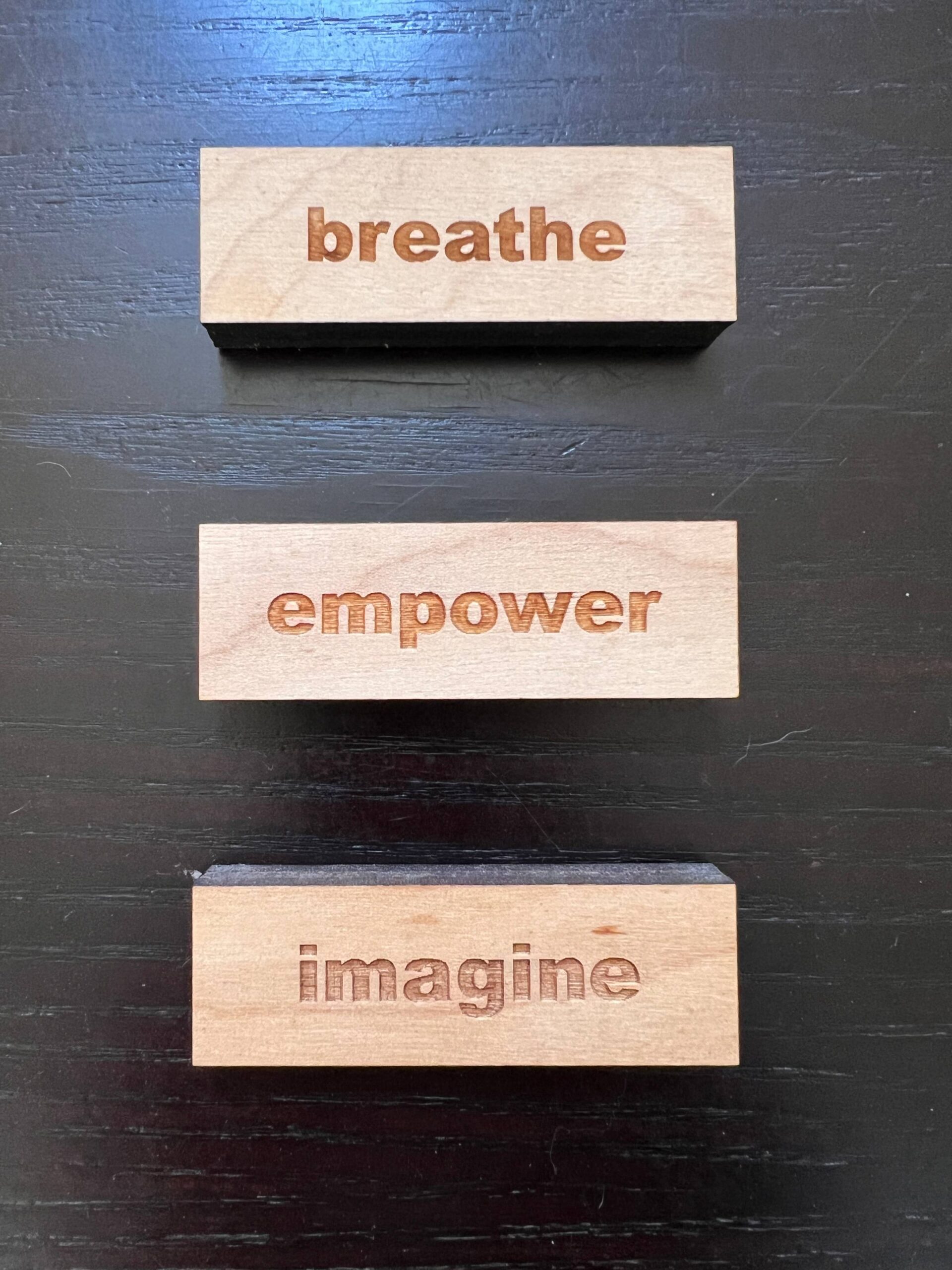
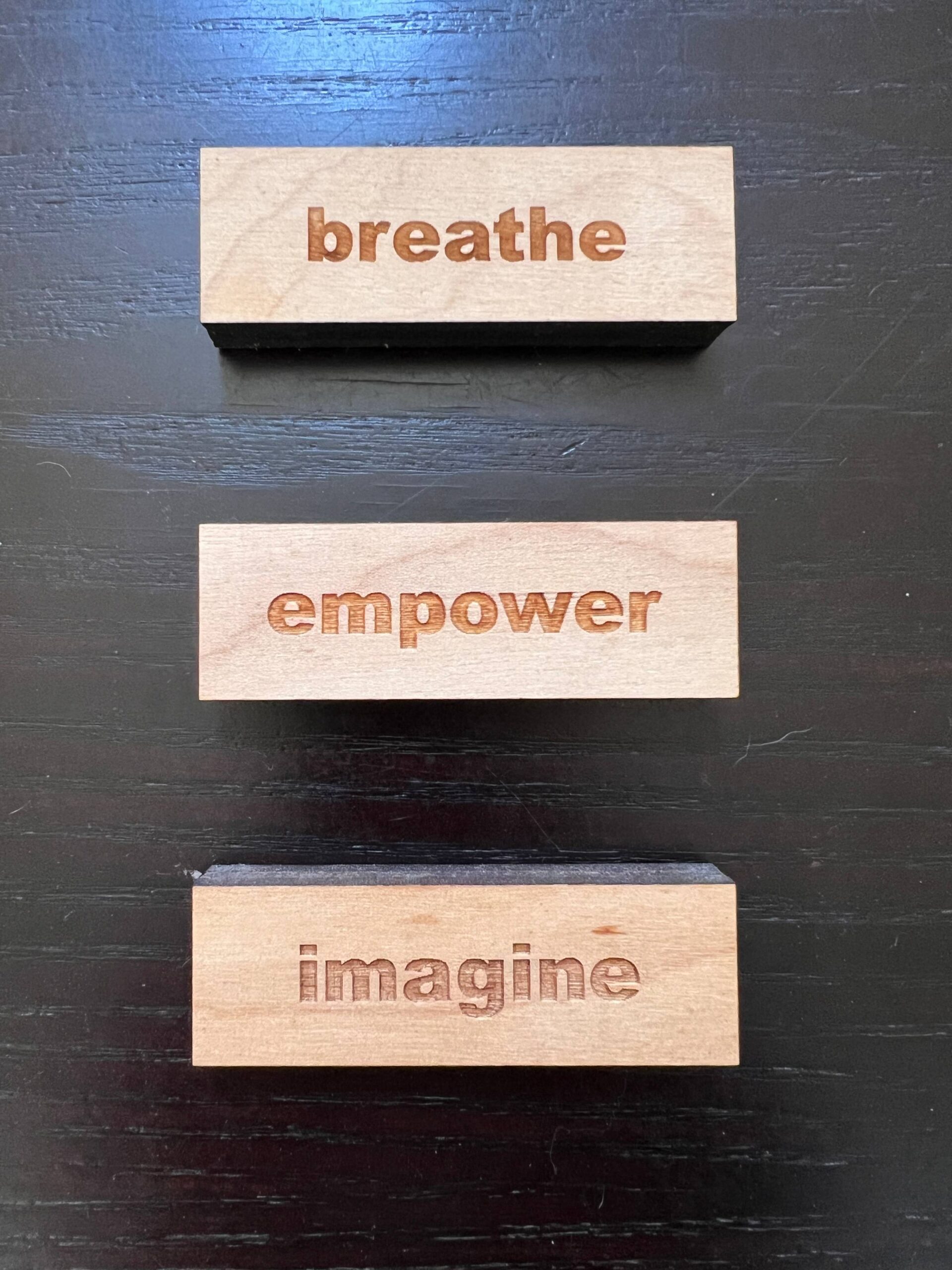
We begin with the breath — because before we can talk about labs or protocols or lifestyle changes, the nervous system needs to feel safe. A few slow, intentional breaths aren’t just a relaxation technique. They’re a signal to your body that you are not in danger. That there is room here. That healing is allowed to begin.
From that place of calm, something shifts. You start to remember — or maybe discover for the first time — that your body is not your enemy. It is extraordinarily capable. It wants to heal. And you have more influence over that process than you may have been led to believe.
So much of what I do is simply helping clients reconnect with that truth. To move from I am broken and need to be fixed toward I have everything I need to begin, and I don’t have to do this alone.
And then we look forward. We talk about what feeling well actually looks like for you — not a generic version of health, but your version. The energy you want to have. The things you want to do. The person you know yourself to be when your body isn’t in the way.
That vision matters. It becomes the compass.
If any of this resonates with you, I’d love to connect. This kind of work is quiet, and steady, and deeply personal — and it starts with exactly where you are right now.
You didn’t fail your body. Your body hasn’t failed you. You’re both just here, trying to find your way back to each other.
That’s not a story of blame. That’s a story of healing.
Warmly,
Karen