Full Capacity Living…
Hello Reader,
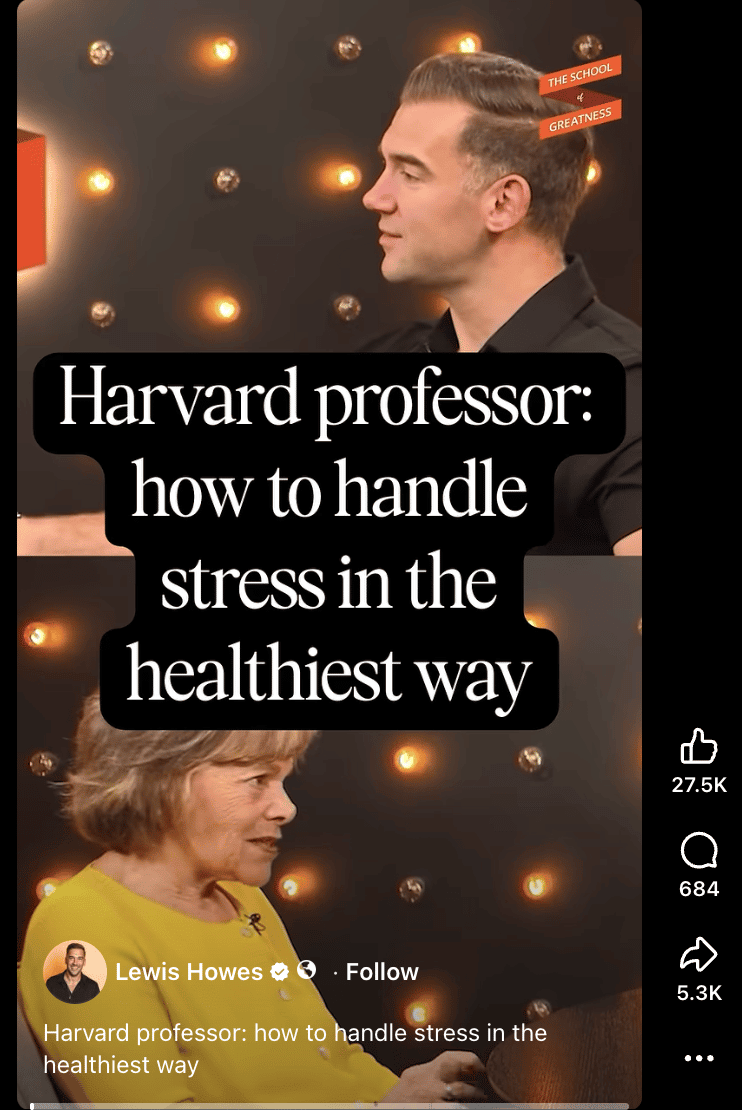
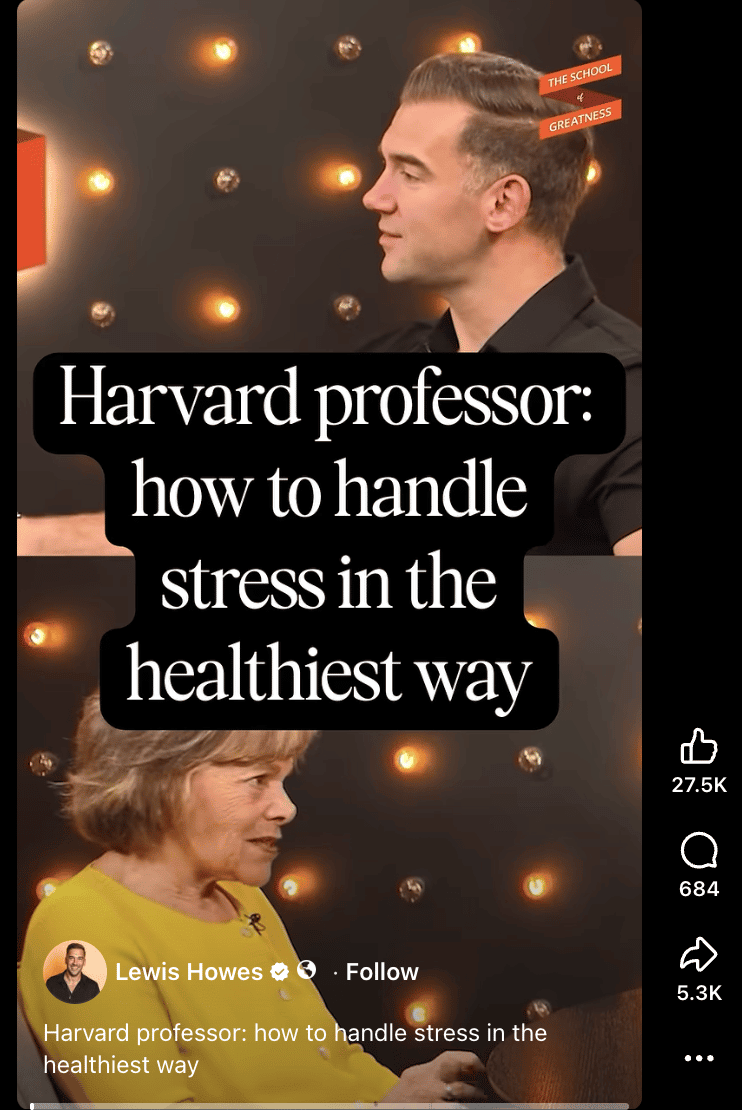
When Lewis Howes asked Harvard psychologist Ellen Langer what she believes is the root of sickness and disease, she didn’t say diet. She didn’t say genetics. She said stress.
“I believe that stress is the major source of our illness, above and beyond diet, genetics…”
This is something I’ve believed for a long time. Much of my work focuses on terrain: the food, movement, sleep and daily habits that shape the body we live in. Those matter deeply.
But just as important is how we respond to the stressors in our lives, and that’s where mind-body medicine comes in. When stress goes unaddressed, even the healthiest terrain can’t carry the whole load.
I’ve seen it with so many clients: you can do everything “right” and still feel worn down when your nervous system never gets the message that you’re safe.
It’s not the stressor. It’s the story.
Langer’s point isn’t that we need fewer hard things in life. It’s that stress lives in how we read them. Events don’t arrive with labels. A short reply from a colleague, a missed call, a new symptom: our mind decides what it means, and our body responds to that decision.
What her research shows
In her book The Mindful Body, Langer shares decades of studies from her Harvard lab. Two that stay with me:
- The housekeepers. Hotel housekeepers were told that the work they already did every day (lifting, pushing carts, making beds) met the recommendations for an active lifestyle. A month later, compared with coworkers who weren’t told, they had lost weight and lowered their blood pressure, body mass index and waist-to-hip ratio. Their work hadn’t changed. How they saw it had.
- Blood sugar. People with type 2 diabetes played computer games while watching a clock that ran normally, at double speed, or at half speed. Their blood sugar dropped in step with the time they thought had passed, not the actual time.
That housekeeper study was led with Langer’s former student, Dr. Alia Crum, now at Stanford, whose work I’ve shared with you before. Crum’s research points the same direction: how you think about stress shapes how your body responds to it.
Your body is listening
When your brain reads something as a threat, your nervous system shifts into protection mode. Your heart speeds up, digestion slows, sleep gets lighter. That’s useful in short bursts. The trouble comes when it runs all day because everything is being read as urgent. How you interpret what’s happening is one of the places you can step in.
Try this today
The next time you feel stress rise:
- Pause and take one slow breath, letting the exhale be longer than the inhale.
- Ask yourself: Is this a tragedy, or an inconvenience? Is it temporary, or permanent?
- Then ask: What else could be true?
- Notice what shifts in your shoulders, jaw or belly.
Sometimes the honest answer is that it is a tragedy. Real loss deserves to be felt, not reframed away. That’s a conversation for another week.
Small shifts, steadier life.
Join me for The Steady Season
If you’d like to practice this with others and have support through the holidays, there’s still room. We meet live on Zoom, Wednesdays 7:00 to 8:30 pm ET, November 11 through December 16, with a closing session on January 6.
Save your spot here
Warmly,
Karen